
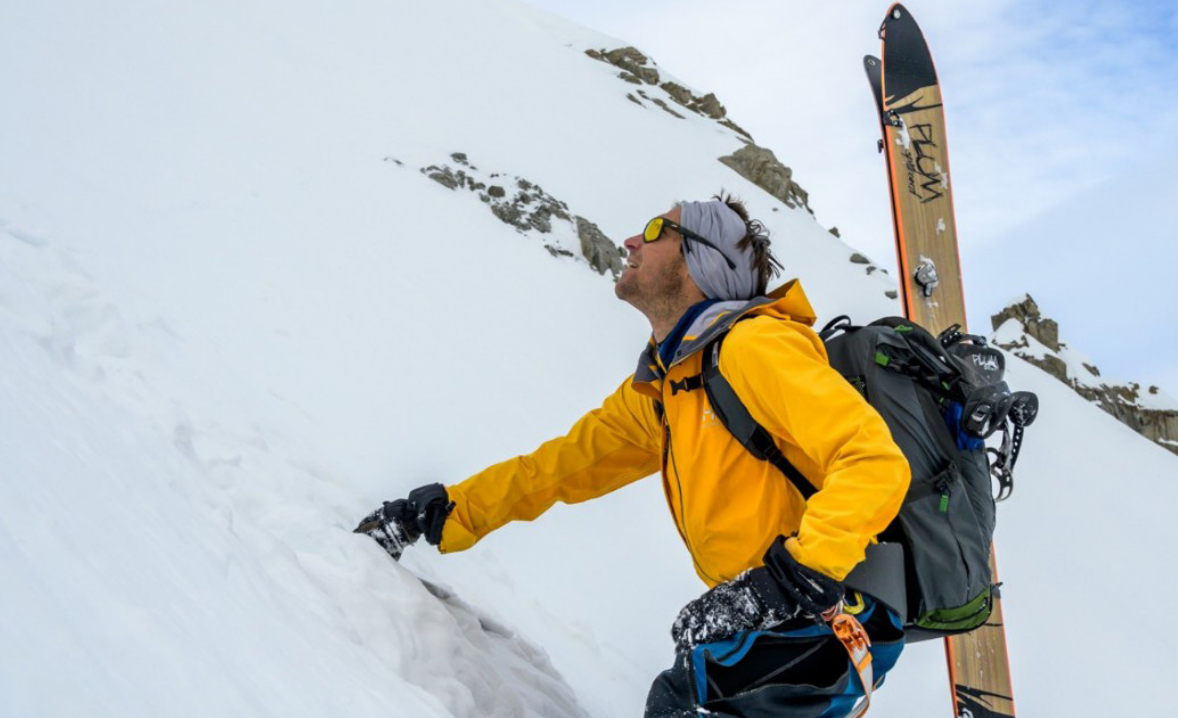
Altai: at the source of life
Central Asia is one of the regions most at risk from impending water shortages. According to the World Bank, 37 million people — nearly half the total population — already suffer from water stress. By 2050, that figure will double, driven by population growth, climate disruption, and the finite nature of water as a resource.
Even Kazakhstan, the northernmost of the Central Asian republics, is now facing a complex situation. In recent years, Astana has experienced recurring shortages, and a new canal is being dug to secure the megalopolis’s water supply. It draws from a river as vital as it is little known: the Irtysh.
But what is the state of the river, now tapped upstream by China? And what of the Irtysh’s glacial sources, high in the vertiginous peaks of the Altai mountain range?
© Prime Entertainment Group - 2026